
Chimney Cleaning in Tampa, FL
Not every chimney is served by a routine sweep: some have gone years without service, carry heavy creosote, give off an odor in humid weather or have a flue packed with leaves and nests. A deep cleaning returns the whole system to a safe, working state.
- Flue and smoke chamber cleaning
- Stove and fireplace cleaning
- Dryer vent cleaning
- Heavy creosote and odors
When a deep cleaning is the better choice
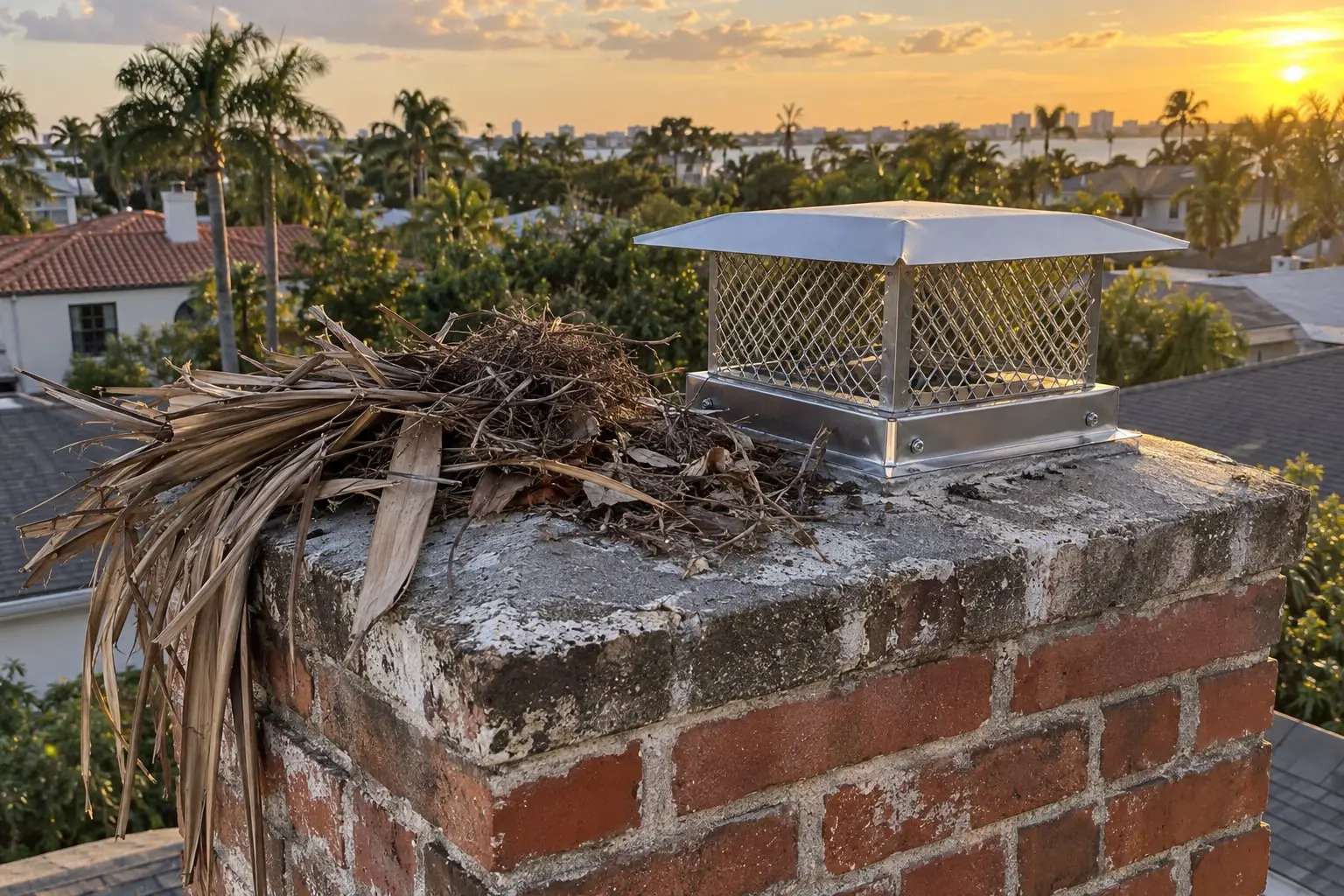
Many Tampa chimneys spend most of the year unused, closed up in heat and humidity. Creosote that sat for years absorbs moisture and starts to smell, oak leaves, palm debris and nesting material pile up on the smoke shelf, and soot can harden on the walls of the flue.
In these situations we recommend a deep cleaning rather than a standard sweep.
- A campfire or musty smell from the fireplace that gets worse on humid or rainy days
- The fireplace has not been cleaned in several years, or you have just bought the house
- Thick or hardened creosote that an ordinary brush does not remove
- Debris, nests or loose masonry on the smoke shelf or in the firebox
- Smoke staining on the front of the fireplace or on the mantel
What Chimney Cleaning gives you
Odor at the source
Fireplace odors begin as deposits in the flue and smoke chamber that react with humid air. Removing those deposits, and keeping rain out with a cap or top damper, is what actually ends the smell.
Safer fires
Heavy, glazed creosote is the chief fuel of a chimney fire. A deep cleaning clears the buildup that a standard sweep can leave behind, before you light the next fire.
Cleaner indoor air
The hearth and floor are covered and the soot is vacuumed as it falls, and a clean system sends less soot and smoke drifting back into the house later.
What our cleaning covers
Cleaning is more than the chimney itself. These are the cleaning jobs we do.
- Chimney flue cleaning: creosote, soot, leaves and nests brushed out of the flue
- Smoke chamber cleaning: the tapered space above the damper where the firebox narrows into the flue
- Stove and fireplace cleaning: the firebox or the stove, and the hearth, vacuumed as the soot comes down
- Dryer vent cleaning: lint cleared from the vent that runs from the dryer to the outside
How a deep cleaning works
Each cleaning is planned around what is inside the chimney, so a look at the system always comes first.
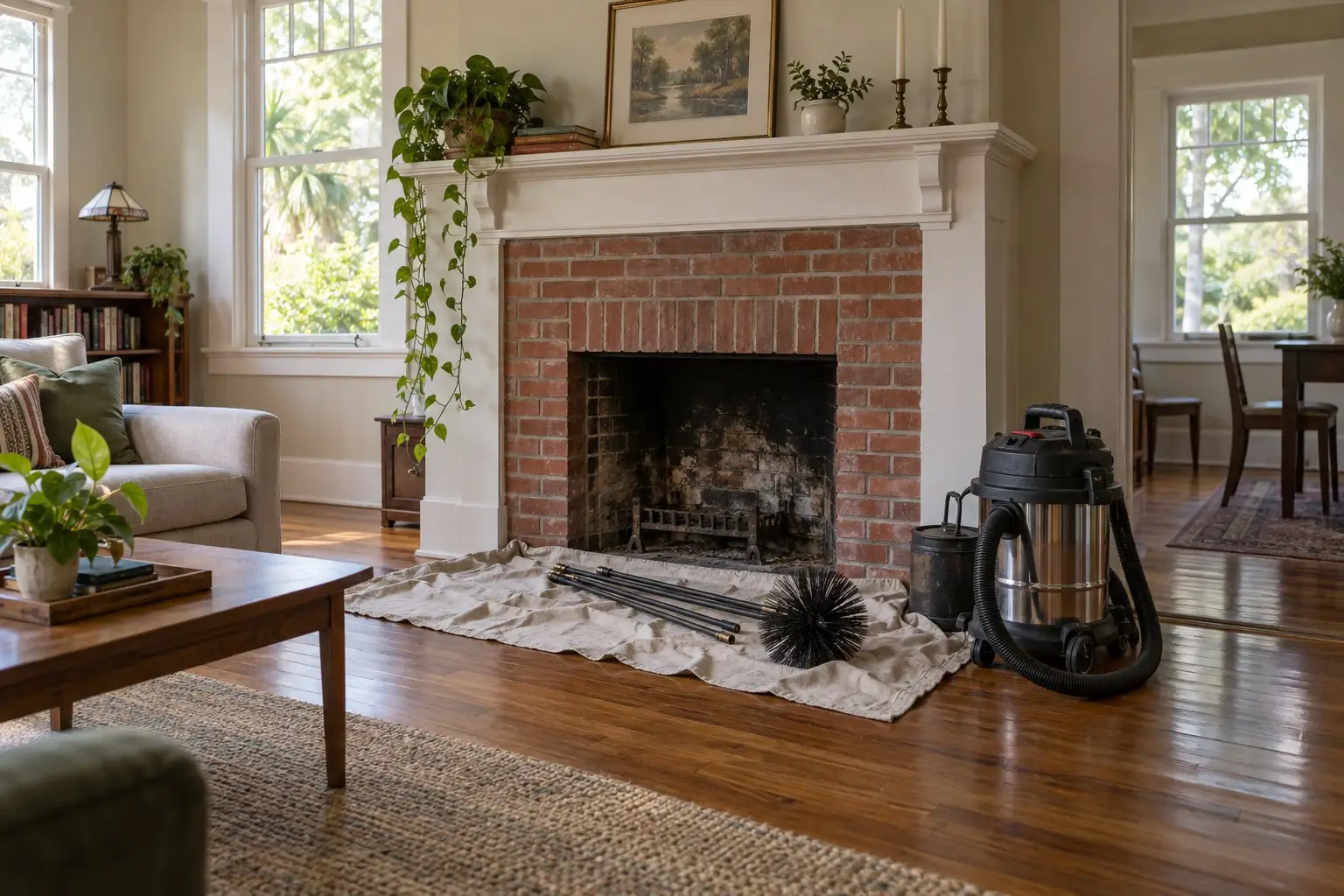
- Cover the hearth, floor and nearby furniture before any tool comes out
- Look over the firebox, damper, smoke chamber and visible flue
- Remove nests, leaves and debris from the smoke shelf and the flue
- Brush and scrape the flue, with heavier tools where creosote has hardened
- Clean the smoke chamber and the firebox walls
- Vacuum up everything and carry it away
- Go over what we found and recommend any repair, or a cap, to keep the problem from returning
Why humidity makes fireplaces smell
Creosote and soot are porous. When warm, wet air settles into an unused chimney, those deposits take up the moisture and give the smell back to the room, often when the air conditioning creates a slight draft down the flue. That is why the odor tends to worsen in summer, when the fireplace is not even in use.
Cleaning removes the deposits behind the smell. A well fitted cap, a top sealing damper or a closed glass door keeps humid air and rain from bringing the odor back.
Chimney Cleaning questions
Why does the fireplace smell in summer?
Creosote in the flue absorbs humidity and gives off odor, and the air conditioning can pull that air down the chimney into the room. A deep cleaning removes the deposits, and a cap or top sealing damper helps keep the smell from coming back.
How does a chimney cleaning differ from a chimney sweep?
A sweep is routine brushing for a fireplace that is in regular use. A cleaning is the deeper job, done when creosote is heavy or hardened, when there is a bad odor or debris, or when a long time has passed since the last service. Both begin with a look at the system.
We just bought a house with a fireplace. Should we have it cleaned before the first fire?
Yes. You cannot know how it was used or when it was last serviced. Pairing a cleaning with a Level 2 inspection, the level NFPA 211 recommends after a property sale, shows whether the fireplace is safe to use.
How long will a deep cleaning take?
That depends on the amount of buildup and on how the chimney is built. After the first look and before any work starts, we give you an estimate of the time it will take.
Do you clean dryer vents?
Yes. Dryer vent cleaning is one of our cleaning services. Lint collects along the vent that runs from the dryer to the outside, and clearing it lets air move through the vent freely. Mention it when you call or in the message of the form.
Do you clean stoves as well as fireplaces?
Yes. Stove and fireplace cleaning is on our list of cleaning services: we clean the firebox or the stove, the hearth and the area around it, and we cover the floor first and vacuum the soot as it comes down.
Other services we provide
Chimney Sweep
We brush creosote, soot and nests out of the flue so the fireplace draws and burns safely.
Chimney Inspection
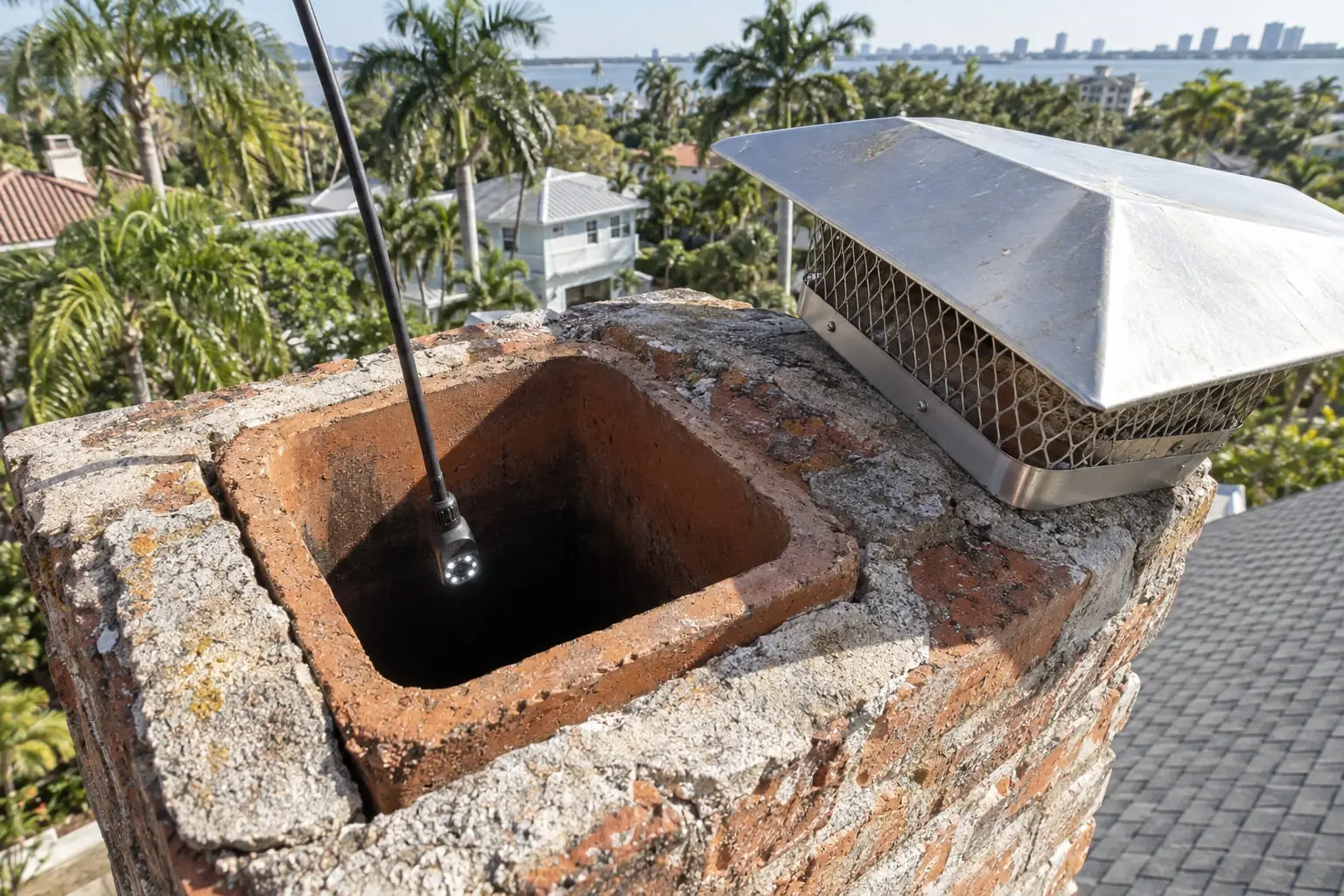
Inspections that follow NFPA 211 and catch hazards before they turn into damage.
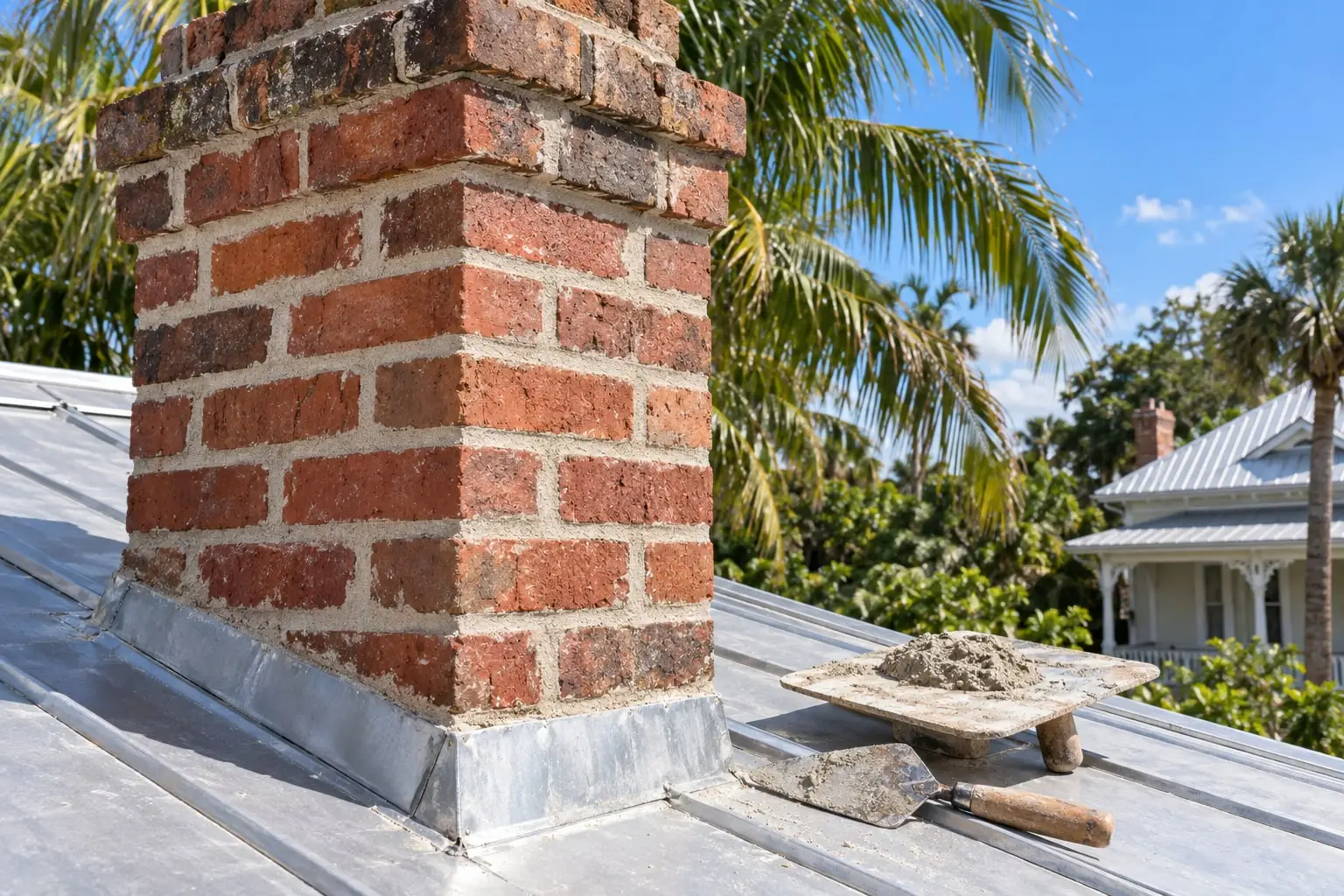
Chimney Repair
We repair crowns, caps, flashing, mortar joints and brick before water does more harm.
Ready to book your cleaning?
Call us or send the form, and we will find a visit time that suits you on any day of the week.