
Chimney Inspection in Tampa, FL
An inspection tells you whether the chimney is safe to use and what, if anything, needs attention. We follow the inspection levels of NFPA 211, the national standard for chimneys, fireplaces and vents, and hand you a plain summary of what we find.
- NFPA 211 inspection levels
- Home sale and storm damage checks
- Wood and gas systems
When an inspection is worth booking
NFPA 211, the national standard for chimneys, fireplaces and vents, says they should be inspected at least once a year. Past that yearly check, certain moments call for a closer look.
In Tampa these are the moments that most often call for one.
- You are buying or selling a home that has a fireplace
- A tropical storm, hurricane, high winds or a lightning strike passed over the house and you want to know whether the chimney took damage
- The fireplace has sat unused for years and you want to light it again
- You have seen a leak, smelled something, had smoke in the room or found pieces of masonry on the roof
- You switched fuels, added an insert or replaced a gas appliance that vents up the chimney
- A chimney fire happened, even a small one
What Chimney Inspection gives you
Clear findings
You receive a plain summary of what we found: what is in good shape, what needs attention now and what can wait, with no pressure to fix anything on the spot.
Safety first
We look hardest for the problems that matter most: cracks in the flue, gaps that let heat reach the framing, blockages and anything that could push smoke or carbon monoxide back into the house.
Brick, prefab and gas
Brick chimneys, factory-built fireplaces with metal flues and gas fireplaces all have different parts to check, and we inspect the ones your system actually has.
The three inspection levels
NFPA 211 describes three levels of chimney inspection, and the right one depends on your situation, not on a sales script.
- Level 1: the yearly check of the readily accessible parts of the chimney, the fireplace and the connection, for a system in regular use that has not changed
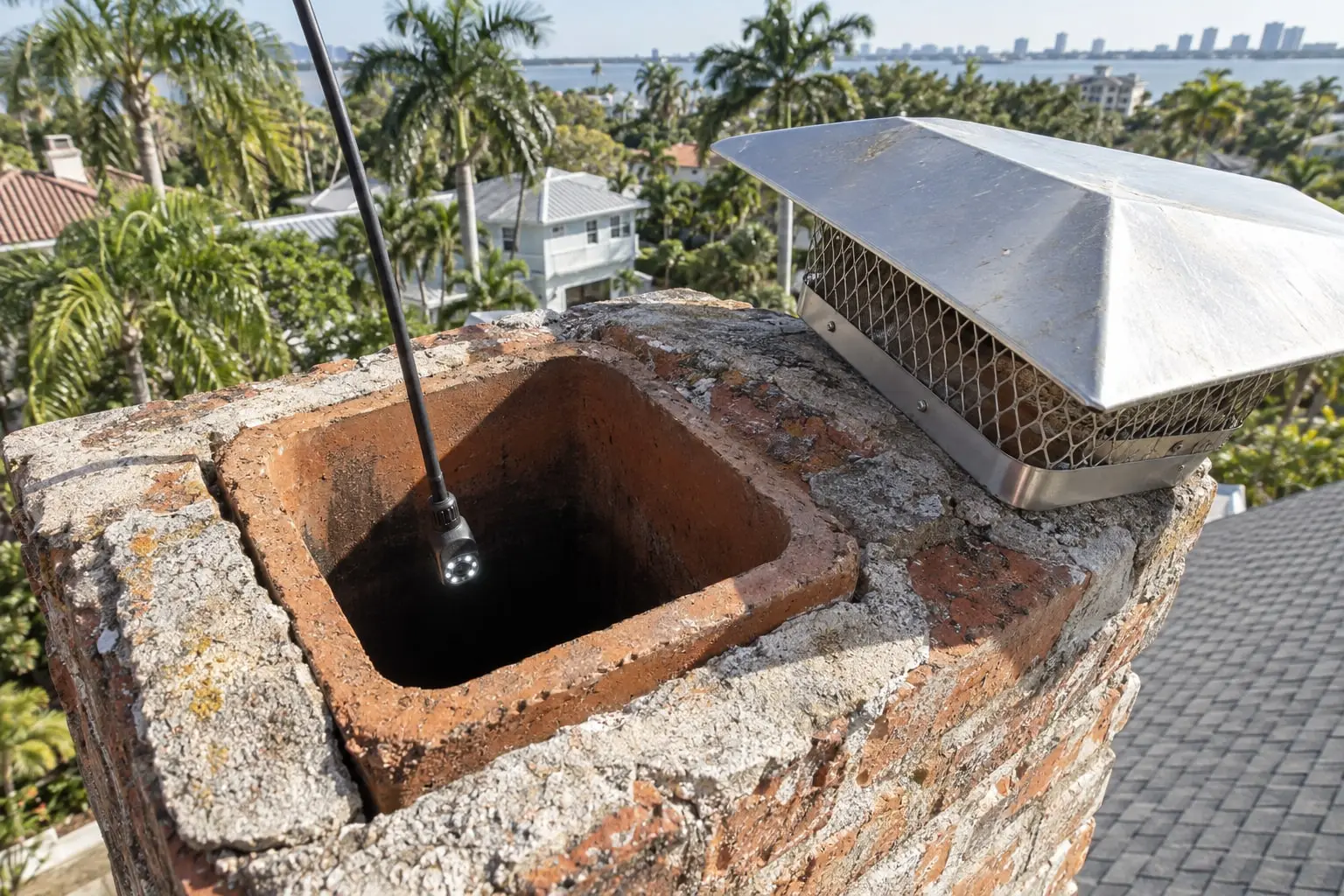
- Level 2: Level 1 plus the accessible parts of the attic, crawl spaces and roof, and a video scan of the flue. It applies when a property is sold, after a storm or a chimney fire, and when the system has been changed
- Level 3: reserved for a serious hidden problem that cannot be confirmed without opening part of the structure. We say why before we recommend it
What we look at
Up on the roof we examine the crown, the cap, the flashing, the brick or siding and the mortar joints. Indoors we look at the firebox, the damper, the smoke chamber and the flue liner. Clearances to wood framing are checked wherever they can be seen, along with the connection of any gas appliance that vents through the chimney.
Carbon monoxide and your chimney
Carbon monoxide is colorless and odorless. A flue clogged with a nest or debris, or a cracked liner, can push it back into the living space instead of out of the top of the chimney. Gas fireplaces and other gas appliances are no exception, so their vents are part of every inspection.
When a carbon monoxide alarm sounds, get out of the house and call 911 first. After the home is safe, an inspection can help find out why it happened.
Chimney Inspection questions
What separates a Level 1 inspection from a Level 2?
A Level 1 looks at the parts you can reach without tools in a system that has not changed. A Level 2 adds the attic, crawl space and roof areas around the chimney, plus a video scan inside the flue. A home sale, a storm or a change to the system calls for a Level 2.
Does selling my house require a chimney inspection?
When a property changes hands NFPA 211 recommends a Level 2 inspection, and a buyer or home inspector may ask for one. Having it done before you list avoids surprises late in the sale.
Should the chimney be inspected after a storm?
Yes, especially after a tropical storm or hurricane, or if you see debris on the roof or new stains inside. Wind can bend or rip off caps, crack crowns and loosen flashing, and the damage frequently shows only when the next heavy rain comes.
Is the chimney cleaned during the inspection?
Inspection and sweeping are separate services, yet they are often booked together, since a clean flue is easier to inspect. If the flue is heavily coated, we recommend sweeping it first.
Do gas fireplaces need inspections too?
Yes. Gas burns cleaner than wood, but vents can still be blocked by nests or debris, and metal parts can corrode in our humid, salty air. A yearly check confirms that combustion gases leave the house the way they should.
Other services we provide
Chimney Repair
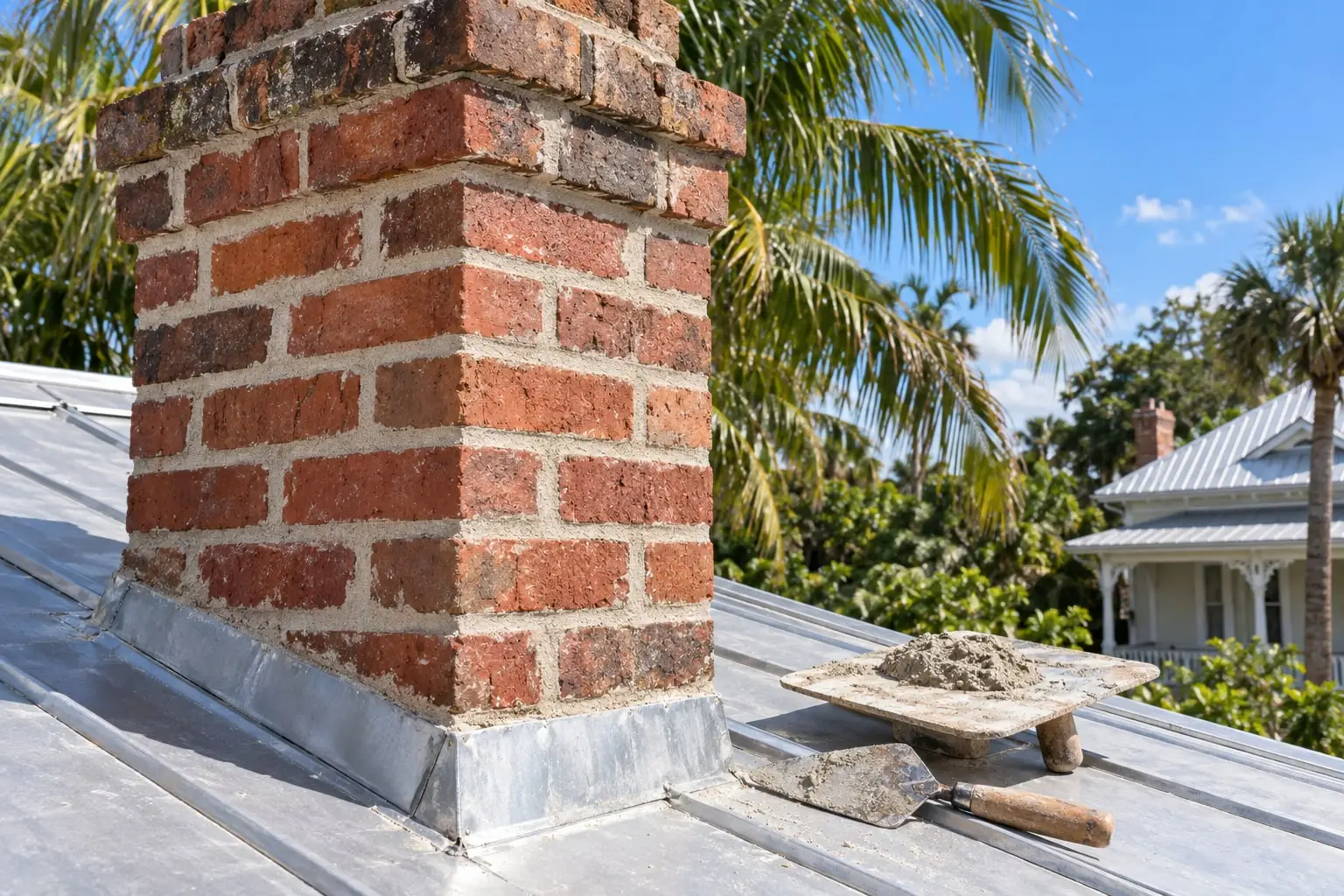
We repair crowns, caps, flashing, mortar joints and brick before water does more harm.
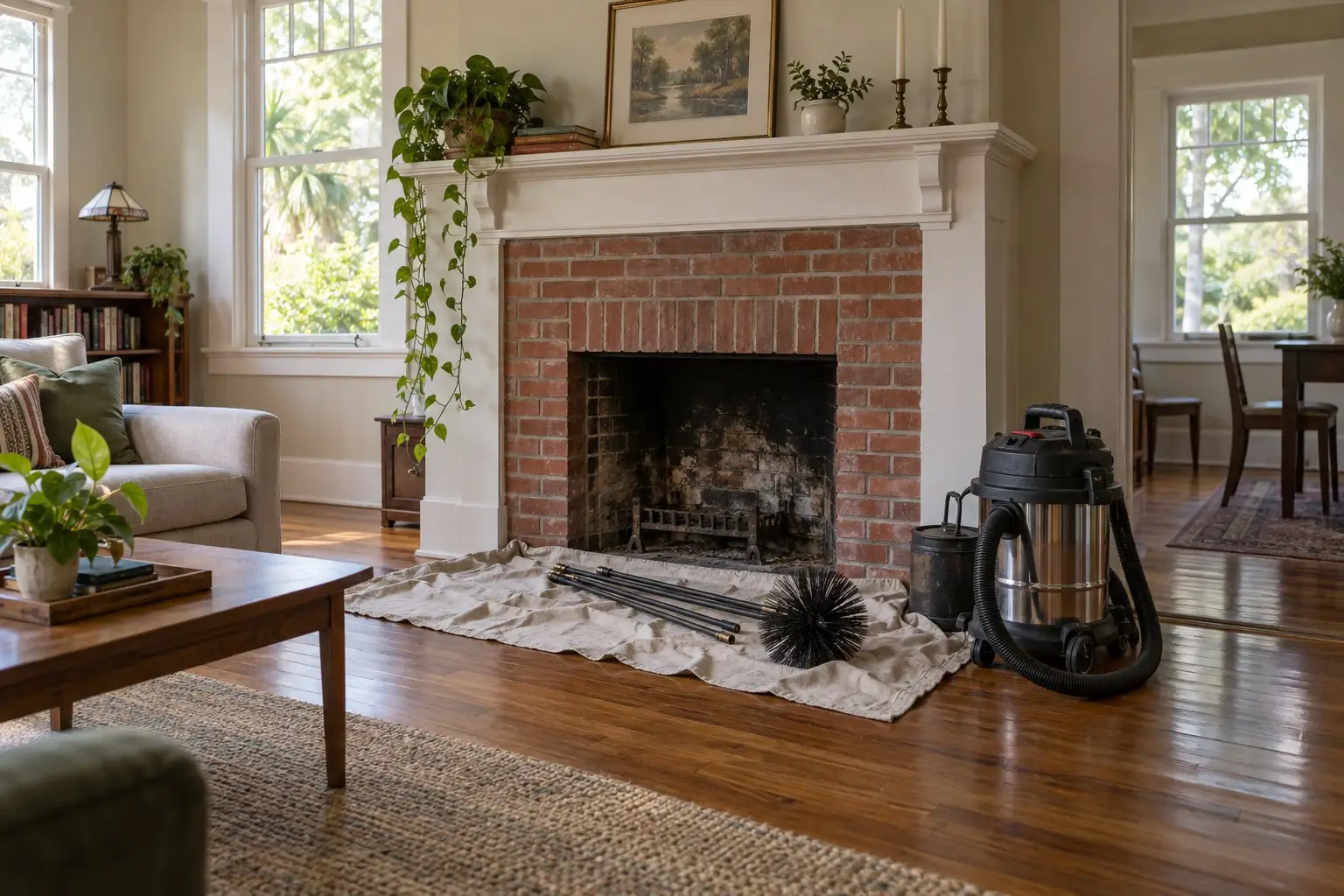
Chimney Sweep
We brush creosote, soot and nests out of the flue so the fireplace draws and burns safely.
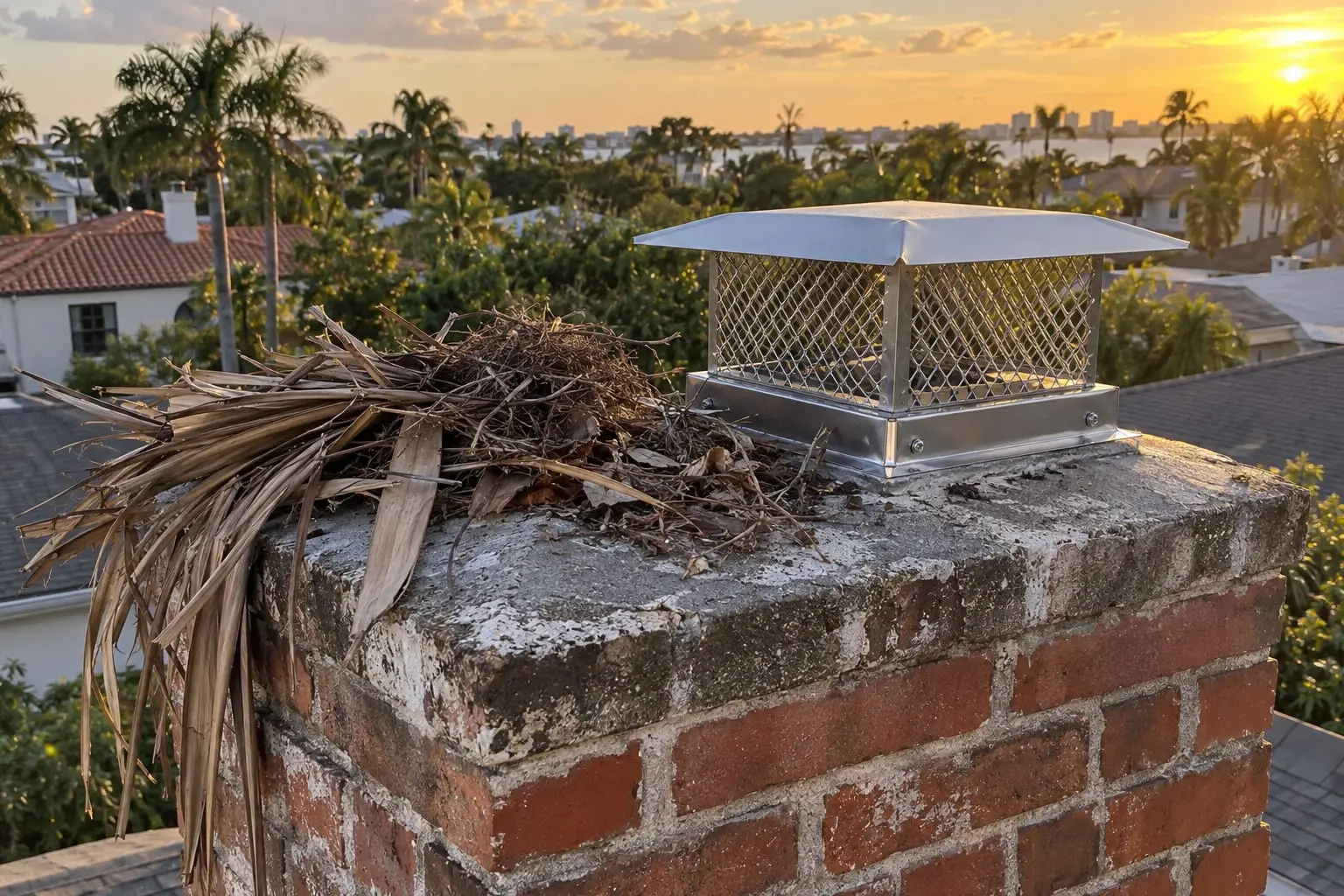
Chimney Cleaning
Flue, smoke chamber, stove and fireplace cleaning, plus dryer vent cleaning, for heavy buildup, odors and systems left unused.
Ready to book your chimney inspection?
Call us or send the form, and we will find a visit time that suits you on any day of the week.