
Chimney Sweep in Tampa, FL
A sweep clears the creosote, soot and debris that collect inside a flue. We protect the room, brush the flue from the firebox up, vacuum what falls and tell you what we saw along the way.
- Creosote and soot removal
- Chimney flue cleaning
- Leaves and nests cleared
When to book a chimney sweep
Even a fireplace that runs only on a few cool winter nights builds up deposits. Creosote is the tar left when wood smoke cools on its way up the chimney. It builds up on the flue in layers, and if it ignites the chimney fire can burn hot enough to crack a liner.
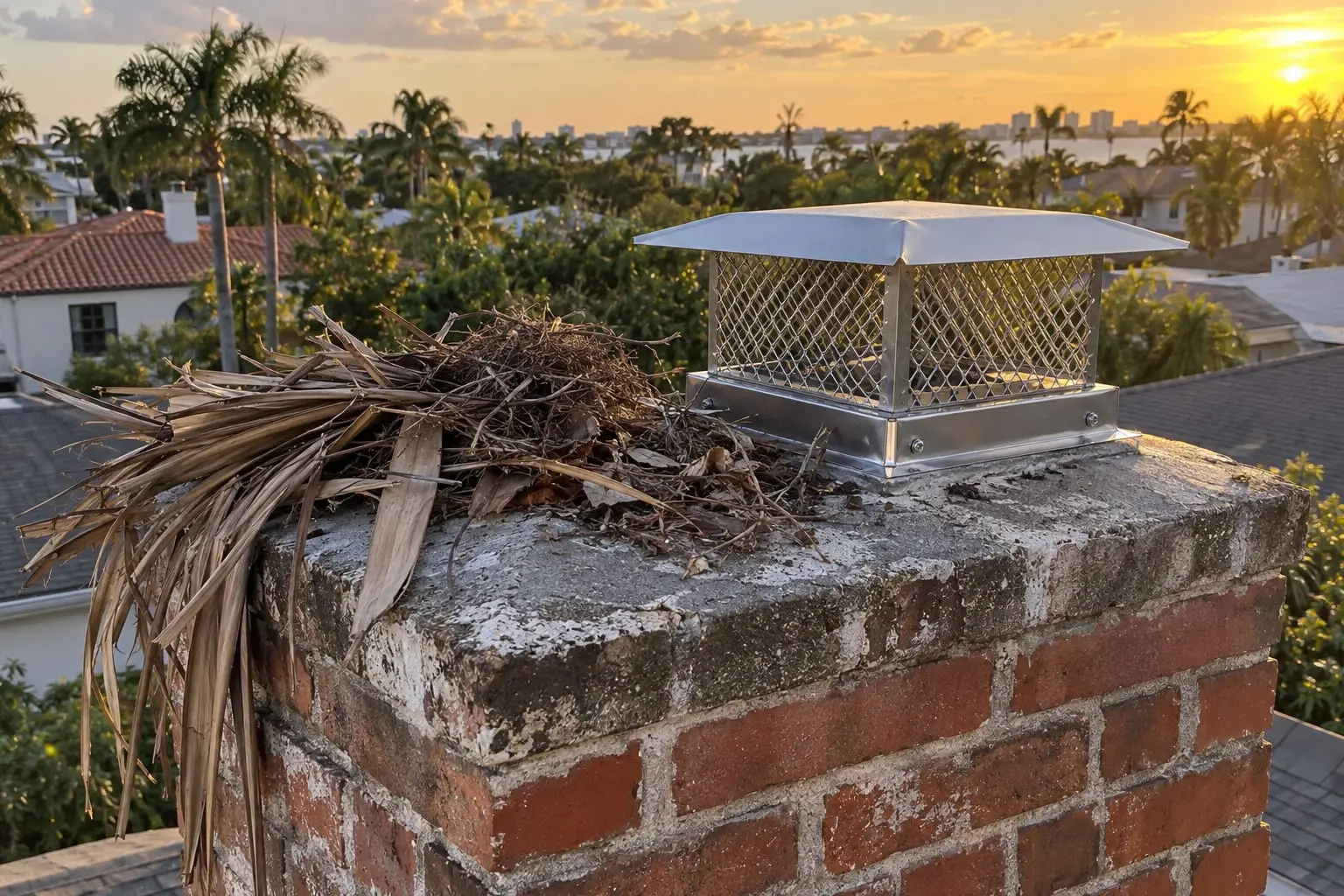
In Tampa the chimney also collects what the weather and the neighborhood bring in while it sits unused: oak leaves, palm debris, twigs and the nests of birds and squirrels. If any of the signs below sound familiar, book a sweep.
- You burned wood this season, or it has been a year or more since the last sweep
- Black, flaky or shiny tar like deposits in the firebox or on the damper
- A strong smoky or musty smell coming from the fireplace, stronger on humid days
- Smoke drifting into the room instead of rising up the chimney
- Leaves, twigs or nesting material dropping into the firebox
- The sound of birds or animals in the flue

What Chimney Sweep gives you
Lower fire risk
Taking out the creosote removes the fuel for a chimney fire. Glazed creosote, the hardest kind, takes more than a brush, and we tell you if that is what we find.
A clean room afterward
The hearth and floor are covered before any tool comes out, and the soot is vacuumed as it falls. The fireplace area is left as we found it, minus the soot.
A look inside the flue
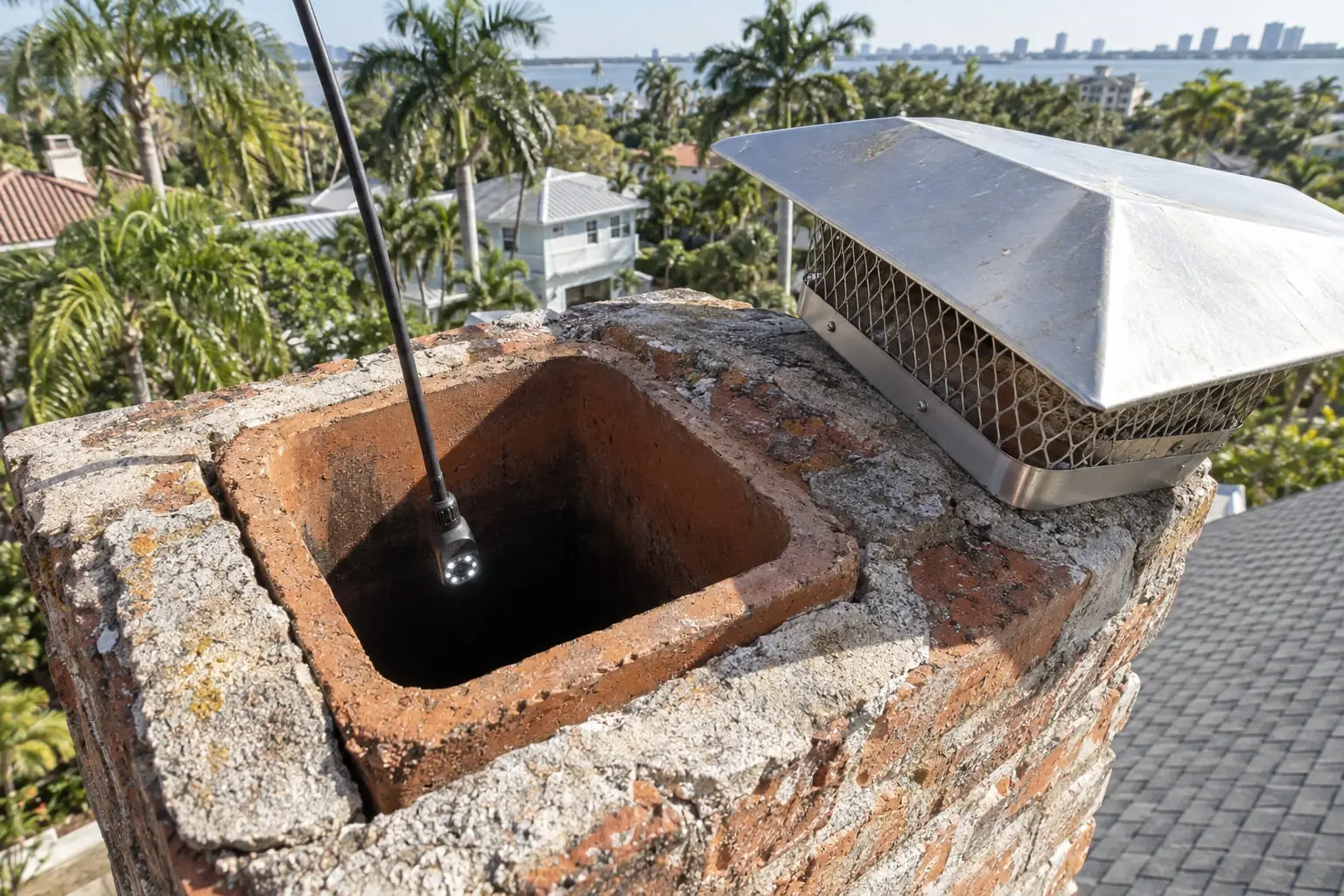
A sweep is a good moment to check the liner, the smoke chamber and the damper. We point out cracks, gaps or loose parts so you can decide what comes next.
What happens during a sweep
Every sweep follows the same steps, so nothing in the system gets skipped.
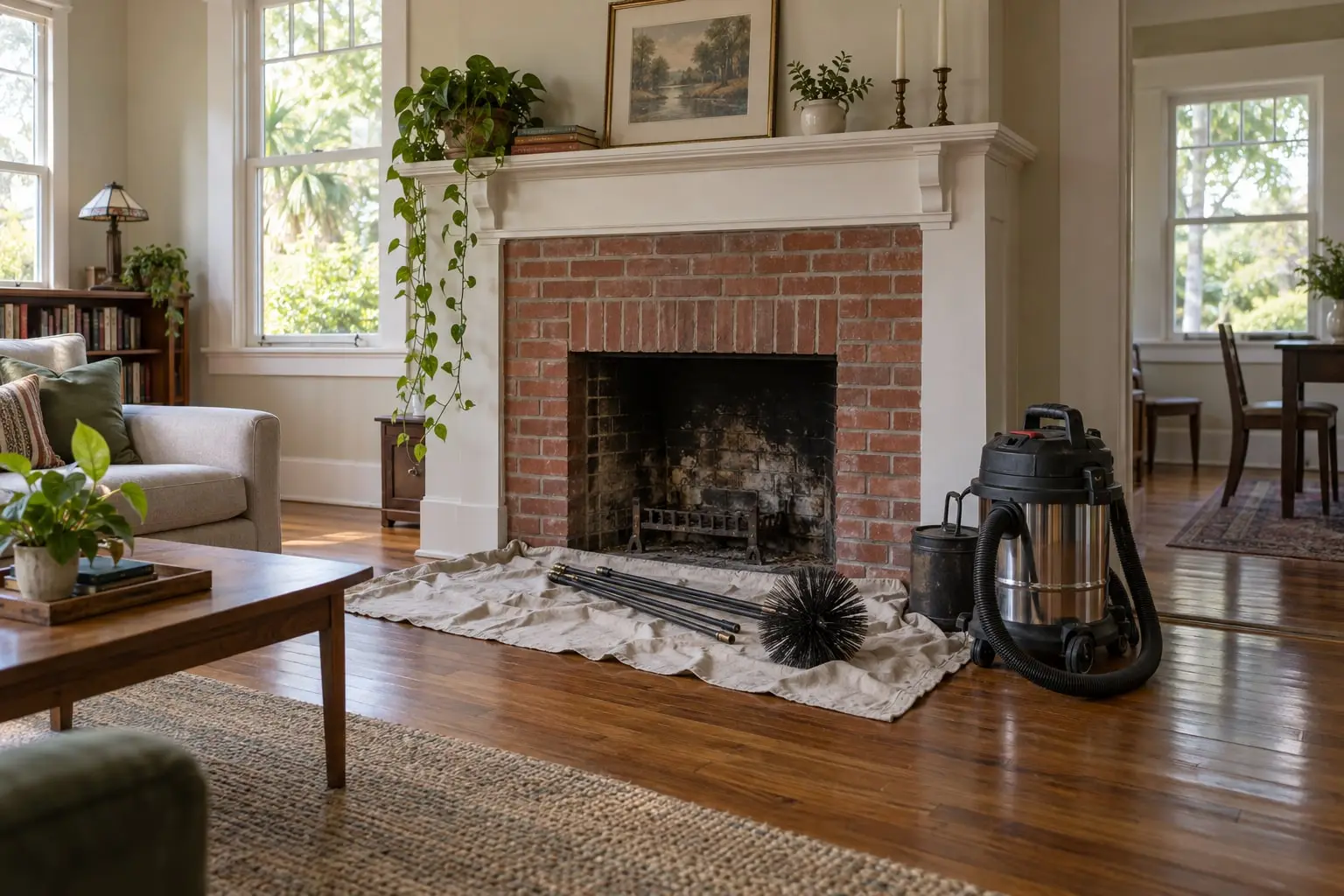
- Cover the hearth and floor, and set the vacuum up at the fireplace opening
- Check the firebox, damper and smoke shelf before any cleaning starts
- Brush the flue with rods and brushes matched to its shape and lining
- Clear the smoke chamber and the smoke shelf, where debris gathers
- Vacuum the firebox and take away everything that fell
- Look at the cap and the top of the flue from the roof when conditions are safe
- Go through the findings with you, including anything that needs attention
How often does a chimney need sweeping?
NFPA 211, the national standard for chimneys, fireplaces and vents, asks for an inspection every year at a minimum, with cleaning as needed. How often a sweep is needed depends on how much you burn and what you burn: a fireplace used every week through a cold snap needs more attention than one lit twice a year.
Seasoned hardwood leaves less creosote than green or soft wood, and a hot fire leaves less than one that smolders. If you are unsure, a yearly visit before the cooler months suits most homes in Tampa, Brandon, Temple Terrace and the areas around them.
Gas fireplaces need attention too
Some Tampa Bay homes have gas log sets instead of, or beside, a wood fireplace. Gas burns cleaner, yet the vent must still stay clear, because nests, debris and corroded parts can block it and send combustion gases back into the house. A sweep visit includes checking and cleaning the vent of a gas fireplace.
Chimney Sweep questions
Is a chimney sweep messy?
It should not be. We lay down covers, keep a vacuum running at the fireplace opening and clean up before we go, and you are welcome to stay in the house throughout.
I hardly use my fireplace. Is a sweep still needed?
Light use leaves less creosote, but an idle chimney in our climate collects moisture, leaves and nesting material. A yearly check finds a blockage before the night you finally light a fire.
How is a chimney sweep different from a chimney cleaning?
People use the words loosely. On this site a sweep is the brushing of creosote and soot out of the flue of a fireplace in regular use, while a cleaning is a deeper job on a system with heavy buildup, odors, debris or a long gap since its last service.
Can you take animals or nests out of my chimney?
Nests and debris are removed from the flue and the smoke chamber. If an animal is still living inside, we recommend the right next step first, and once the flue is clear a properly fitted cap keeps animals from returning.
How do I get ready for a chimney sweep?
Leave the fireplace unused for a day before the visit so the ashes are cold, clear a path to the fireplace and move anything fragile off the mantel. We bring the covers and the equipment.
Other services we provide
Chimney Cleaning
Flue, smoke chamber, stove and fireplace cleaning, plus dryer vent cleaning, for heavy buildup, odors and systems left unused.
Chimney Inspection
Inspections that follow NFPA 211 and catch hazards before they turn into damage.
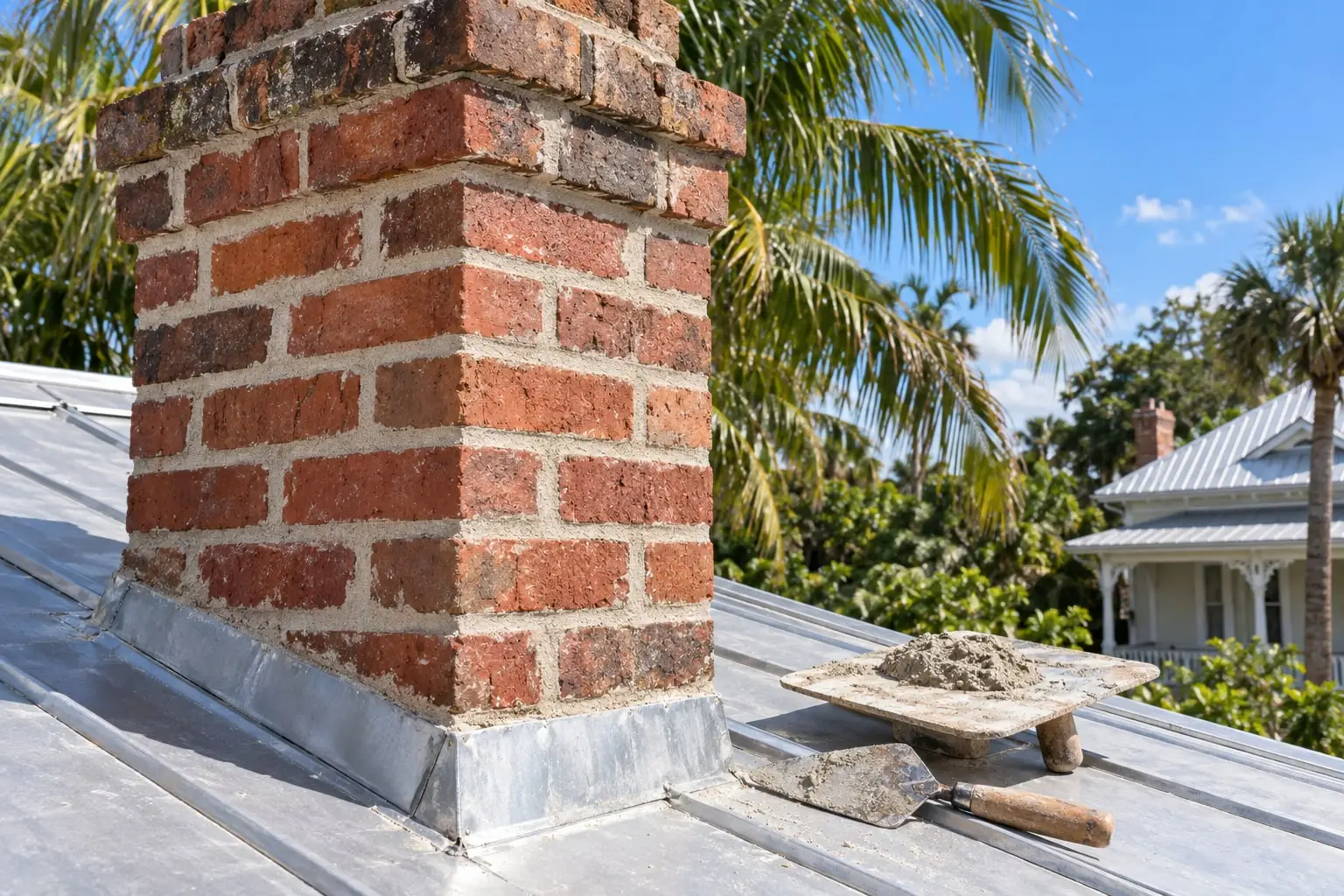
Chimney Repair
We repair crowns, caps, flashing, mortar joints and brick before water does more harm.
Ready to book your sweep?
Call us or send the form, and we will find a visit time that suits you on any day of the week.